Home / BLOGS / Tough times, surprising priorities

The Independent March 10, 2026 BLOGS, comment, Guest column, Opinion
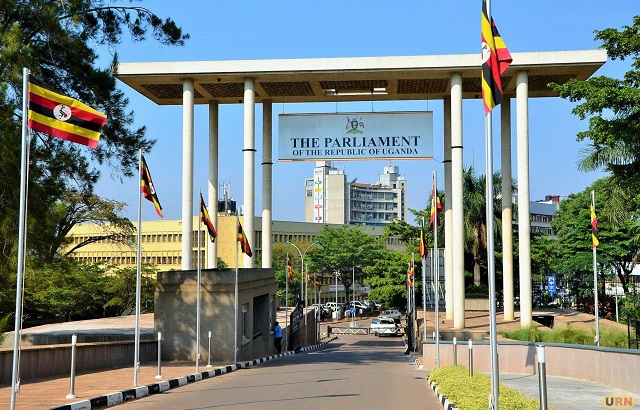
A glimpse into Uganda’s Shs166.8 billion MP vehicle allocation
COMMENT | LILIAN ZWEDDE SENTEZA | In a controversial move, Uganda’s Parliament greenlit Shs166.8 billion (approximately $45 million) in the 2026/27 national budget to purchase new vehicles for its 529 lawmakers. This amounts to roughly Shs315 million per MP.
Officially framed as essential for oversight duties and constituency outreach, this allocation has ignited public outrage, exposing deep flaws in fiscal priorities when millions of Ugandans grapple with poverty, unemployment, and crumbling public services.
The funding represents a whopping 57% increase from the Shs200 million per MP allocated in the previous term for similar vehicle purchases. Parliament unilaterally added Shs263.9 billion to the budget, including hikes in medical insurance for MPs, despite these items being absent from the Finance Ministry’s initial proposals.
Proponents defend it by citing inflation (which has hovered around 5-7% annually in Uganda) and the MPs’ need for reliable transport to remote constituencies. They also claim it saves taxpayer money long-term, as MPs foot the bill for drivers, fuel, and repairs—unlike government fleet vehicles that drain public coffers through centralized maintenance.
Uganda’s budget process, governed by the Public Finance Management Act of 2015, requires parliamentary approval but lacks strong checks against self-serving amendments. In practice, this allows MPs—who double as budget approvers—to prioritize their perks, a dynamic that critics label “elite capture.”
To grasp the extravagance, consider the alternatives. Shs166.8 billion exceeds the annual operating budget for equipping 50 rural health centres (each costing about Shs3 billion, as per Ministry of Health estimates). It could build over 1,000 classroom blocks in underserved districts like those in Karamoja or northern Uganda, where pupil-to-teacher ratios often exceed 100:1.
Meanwhile, Uganda faces dire challenges: such as youth unemployment with over 1 million young people annually entering the job market without opportunities, Climate vulnerability where some regions suffer annual losses from floods and droughts, yet adaptation funding remains under Shs100 billion nationwide as well as Sectoral neglect.
The health sector gets just 6.3% of the budget (below the Abuja Declaration’s 15% target), while education hovers at 17% but delivers poor outcomes due to under-investment in infrastructure.
Redirecting even half this sum could bolster anti-corruption monitoring units or digital governance platforms, aligning with Uganda’s National Development Plan III (2020-2025), which emphasizes sustainable growth.
This vehicle bonanza exemplifies systemic graft and erodes trust in public finance management. Transparency International’s 2025 Corruption Perceptions Index ranks Uganda 148th out of 182 countries with a score of 25 out of 100 declining from 26 points in 2024. The report highlights corruption being fueled by weak institutions, limited access to justice, and restricted civic space with local analyses often pointing to some sectors including Parliament as sectors with significant accountability gaps.
When lawmakers award themselves windfalls amid fiscal constraints—national debt at 52% of GDP, it fuels cynicism and diverts resources from Sustainable Development Goals like zero hunger and quality education.
As a governance specialist and public policy analyst, I view this as self-serving extravagance where taxpayers fund the ‘scrutinizers,’ yet face zero scrutiny in return. It is time for accountability. It is time for reforms. We need independent scrutiny for all MP-specific allocations and performance-tied caps where vehicle budgets are linked to measurable oversight metrics, like constituency reports submitted and digital public consultations involving use of e-platforms for citizen input, in a bid to promote open governance in this country.
****
 Lilian Zawedde Senteza is a Programme Manager at Transparency International-Uganda.
Tags CAR Lilian Zawedde Senteza loans parliament Uganda vehicle bonanza vehicles