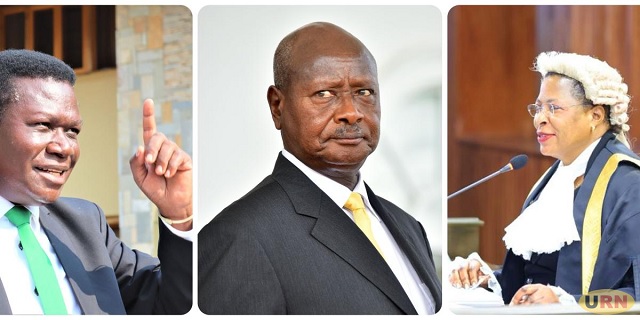
COMMENT | DR PETER WANDWASI | As Uganda approaches the conclusion of another electoral cycle, the race for the Speaker of Parliament is evolving into more than just a contest for a legislative position; it is a crucial competition that could significantly influence the future of governance and democracy in the country. With notable candidates such as Norbert Mao from the Democratic Party (DP) and Anita Among representing the ruling National Resistance Movement (NRM), the stakes are incredibly high. This election of Speaker of Parliament presents a rare opportunity for Ugandan members of Parliament to reflect on the values they hold dear and the kind of political leadership they wish to cultivate in the future.
Historical Context and the Role of the Speaker
To appreciate the significance of this contest, one must first understand the role of the Speaker within Uganda’s parliamentary framework. The Speaker is not merely an administrative figure; they are a custodian of democracy, tasked with maintaining order during legislative sessions while ensuring the representation of diverse views within a contentious political arena. This role has become increasingly important in a country where governance is often complicated, in some instances, by authoritarian trends and growing public disillusionment with the political system.
Historically, the position of Speaker has been a litmus test for Uganda’s democratic principles. In the past, Speakers were often seen as representatives of ruling parties, limiting their ability to act impartially in addressing the nation’s myriad challenges. However, the evolving political landscape in Uganda provides an opportunity to challenge this trend. As such, the election of the Speaker is more than just filling a vacancy; it is about choosing a leader who can either reinforce these troubling dynamics or strive for a more inclusive and representative parliamentary environment.
Anita Among: The Continuity Candidate
Anita Among, born in 1973, has firmly entrenched herself within the NRM hierarchy and has risen through the ranks to become a significant player in Ugandan politics. Her experience as deputy speaker to the Jacob Oulanya and, eventually, as Speaker of Parliament equips her with the necessary skills to navigate the intricacies of legislative procedures. Her candidacy, closely aligned with the NRM, represents a drive for continuity and stability in governance, appealing to those who value predictability in a rapidly changing political landscape.
Her strong connections to the ruling party undermine her impartiality and cast doubt on her ability to effectively represent opposition voices. These factors could significantly hinder her challenging ambition to be elected as Speaker. In general, observers note that her leadership style, described as traditional and top-down, may limit opportunities for radical reform and hinder the legislative body’s responsiveness to pressing social justice issues. Critics argue that under her tenure, Parliament may adopt a more subdued role, focusing primarily on the legislative priorities articulated by the executive rather than fostering substantive debates on critical governance issues.
In a time when transparency and accountability are more vital than ever, the prospect of Among leading Parliament suggests a potential continuation of the status quo, a choice that could alienate citizens yearning for meaningful engagement in democratic processes. While her candidacy promises stability, it also risks perpetuating the distrust that has characterized Ugandan politics.
Norbert Mao: The Challenger of the Status Quo
In stark contrast stands Norbert Mao, born in 1969, who brings a wealth of experience as an advocate for reform and democratic principles. His career as a politician and member of the Democratic Party positions him as a strong contender for those yearning for transformative change. Mao’s vision extends beyond mere governance; he seeks to foster a vibrant, participatory political environment in which diverse voices are heard and represented.
Mao’s tenure as Minister for Justice and Constitutional Affairs has raised eyebrows, particularly due to his contentious collaboration with the NRM. While some view this as a betrayal of opposition values, others see it as a pragmatic move aimed at influencing change from within. His experience presents a double-edged sword, revealing the complexities and compromises that are often inherent in Ugandan politics.
As Speaker, Mao’s leadership style would likely centre around inclusivity, transparency, and collaboration, inviting dialogues across party lines to promote legislative oversight and accountability. His vision for Parliament includes empowering members to challenge executive overreach, thereby nurturing a culture of dissent that could reinvigorate civic engagement among citizens disillusioned with the current political climate.
Should Mao be elected, the implications would extend well beyond Parliamentary walls; they would resonate with Ugandans seeking a return to core democratic principles. The potential revitalization of citizen interest in political processes under his leadership could invigorate activism and catalyze broader societal change.
Implications on Uganda’s Legislative Landscape
The impending election will significantly shape the legislative priorities and processes in Uganda. If Among is elected, the legislature may align itself closely with the executive’s agenda, primarily focusing on maintaining national stability and security at the cost of critical human rights discussions and governance issues. The fears surrounding selective accountability and potential suppression of dissent could amplify under her leadership, potentially disengaging the public from the political discourse.
Conversely, a Mao-led Parliament could signify a bold shift toward robust democratic practices, prioritizing legislative scrutiny and challenging existing power dynamics. His candidacy resonates with the aspirations of Ugandans longing for an accountable government that reflects their diverse needs and rights. The potential for significant reforms and a re-emphasis on civic engagement could breathe new life into Uganda’s political landscape, countering the prevailing narrative of despondence.
Public Sentiment: A Call for Change
The public sentiments surrounding this race reveal a nation caught between hope and skepticism. Many Ugandans find themselves at a crossroads, grappling with the legacy of past leadership while contemplating the potential for a brighter future. The citizens’ call for change is loud and clear, transcending mere political allegiance and dissecting the very fabric of their governance.
The implications as this race unfolds go far beyond the walls of Parliament. The choice of Speaker serves as a referendum on the values Ugandans wish to uphold—be it stability and continuity represented by Among or the call for reform and accountability championed by Mao. Ultimately, this moment reflects a deeper need within the population: a desire for a governance system that prioritizes democratic ideals, transparency, and active citizen participation.
The race for Speaker of Parliament in Uganda is not merely an electoral contest; it is a turning point that will shape the nation’s political future. As Ugandan members of parliament prepare to make their choice, they must reflect on their aspirations for leadership and governance. Whether the choices these members of parliament make on behalf of voters align with the ideals of continuity or the promise of transformative change, this decision will, nonetheless, reverberate through the annals of Uganda’s political history, either fortifying or redefining the foundations of Uganda’s democracy.
******
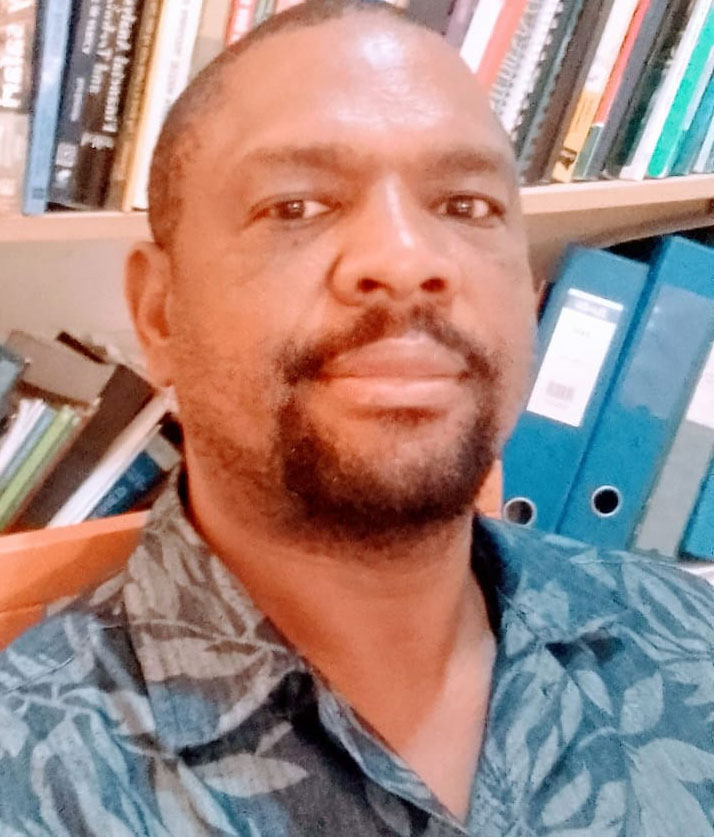 **Dr. Peter Wandwasi obtained a PhD in Metaevaluation from the University of the Witwatersrand, Johannesburg, South Africa, and writes in his personal capacity as an independent scholar of evaluative inquiry. Email: drpwandwasi@gmail.com