As the world marks International Women’s Day, women still hold just over 30% of global leadership roles, highlighting the need for faster progress toward equality
NEWS ANALYSIS | SYLIVA MULINGE | This month, we join the rest of the world in marking International Women’s Day, a moment to celebrate the achievements of women and reflect on the work that still lies ahead. As a recognised public holiday in Uganda, it stands as a national acknowledgement that the contributions of women to our families, communities, and economy are central to our progress.
Yet International Women’s Day did not begin as a celebration. It began as a demand for fairness, dignity, and opportunity. In the early 20th century, women organised across Europe and the United States to demand fair wages, safer workplaces, and the right to participate fully in political life. These movements were not symbolic gestures. They were determined efforts to challenge systems that excluded women from economic opportunity and civic leadership.
Their activism laid the foundation for what the United Nations formally recognised in 1975 as International Women’s Day. Over time, the day has grown into a global moment to celebrate progress while also confronting the inequalities that remain.
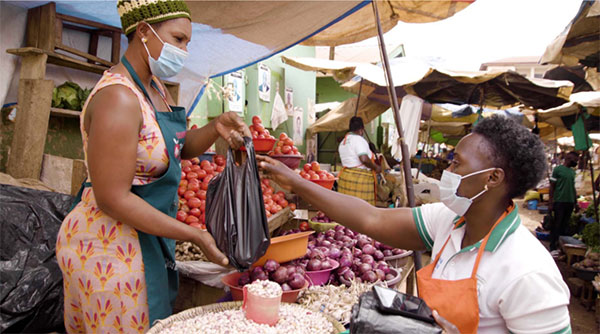
More than a century later, the world has changed in important ways. Women are leading governments, shaping boardrooms, driving research, and building enterprises that power modern economies. Across Africa and here in Uganda, women are entrepreneurs, farmers, innovators, educators, and community leaders whose work sustains families and strengthens national development.
Yet progress remains uneven. Women today hold just over 30 percent of leadership positions worldwide. According to the World Economic Forum, closing the global gender gap in economic participation could take more than a century if progress continues at the current pace.
That reality reminds us that while milestones deserve recognition, the work of expanding opportunity is far from finished.
As we mark International Women’s Day this year, the question is therefore not only how far we have come. The more important question is this: what happens when societies choose to give women real opportunity?
This question sits at the heart of this year’s theme, “Give to Gain”. The theme emphasises that when women gain access to opportunity, the benefits ripple outward to families, communities, and the wider economy.
Across workplaces, markets, and communities, there are clear opportunities to act.
- The first opportunity is to give fairness.
Opportunity should not depend on who you know or where you start. In organisations, this means transparent hiring and promotion processes that recognise talent and potential. In everyday economic life, it means ensuring women entrepreneurs have fair access to markets, financing, and safe working environments. When systems are fair, people are more willing to invest their effort and ambition. The result is stronger businesses and more productive communities.
- The second opportunity is to give capability.
Encouragement alone is not enough. Women must have access to the skills and tools that help them grow. For some, this means leadership development or exposure to emerging technologies. For others, it means digital literacy, financial skills, or learning how to use mobile platforms to reach customers and manage transactions. As technology reshapes the economy, ensuring women are included in the digital transformation is essential. When women gain these skills, they expand opportunity not only for themselves but also for their families and communities.
- The third opportunity is to give access.
Across Uganda, many women run businesses with limited capital and limited market reach. Digital connectivity and mobile financial services can change that equation. A farmer with access to market information can negotiate better prices. A trader with a digital transaction history is more likely to qualify for credit. A small business owner who can reach customers online is no longer limited by geography.
These may seem like small shifts, but together they transform economic participation. More connected businesses mean stronger local markets, more jobs, and more resilient communities.
If we give fairness, we gain trust and stronger institutions. If we give capability, we gain innovation and competitiveness. If we give access, we gain thriving markets and resilient communities. These are not abstract ideals; they are tangible dividends that lift families, businesses, and the nation.
On this International Women’s Day, let us remember that giving women real opportunity is not charity; it is progress. And when Uganda chooses to give, we all stand to gain a future that is better, fairer, and more prosperous.
******
Sylvia Mulinge is the Chief Executive Officer, MTN Uganda.