COMMENT | JEREMIAH NYAGAH | As Uganda joins the rest of the world to mark International Women’s Day 2026 under the theme “Give to Gain”, we must look beyond celebration and confront a simple truth: women are already leading the transformation our environment and economy urgently need. The question is whether we are doing enough to support them.
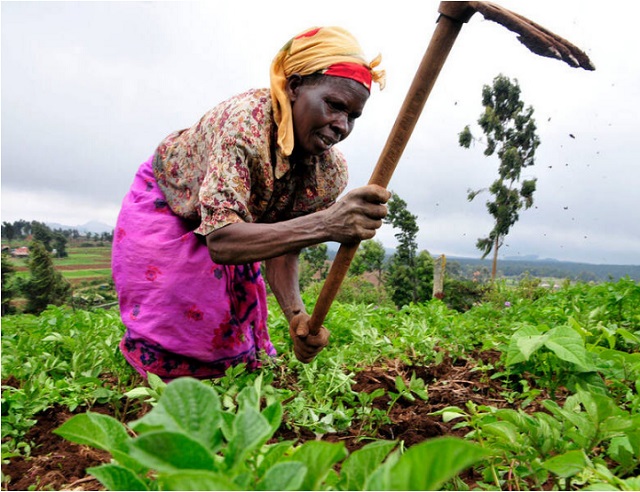
Across rural Uganda, women rise before dawn to till the land, plant crops, fetch water, gather firewood and feed their families. They are the backbone of agricultural production and household survival. Yet their leadership in shaping a sustainable future often goes unrecognized and under-supported.
One approach that clearly demonstrates women’s transformative potential is Farmer-Managed Natural Regeneration (FMNR), promoted in Uganda by World Vision Uganda. FMNR is a simple, low-cost land restoration practice that encourages the natural regrowth of indigenous trees from existing stumps and root systems. It requires minimal external inputs yet delivers profound environmental, social and economic benefits.
For women, FMNR is more than an agricultural technique. It is a pathway to resilience, income and leadership.
Women stand at the heart of Uganda’s agricultural livelihoods. From land preparation and planting to harvesting, food processing and family care, they shoulder the bulk of responsibilities that sustain households and communities. They possess deep knowledge of soils, seeds, trees and changing weather patterns.
Yet millions of women remain deprived of secure land rights and meaningful control over productive resources. Cultural barriers in many communities restrict women’s ownership and decision-making power over land.
This systemic exclusion is not merely a gender issue; it is a development failure. When women lack secure land rights, they are less likely to invest in long-term restoration practices such as tree growing. The result is a vicious cycle of land degradation, declining yields and deepening poverty.
Across World Vision programming areas in Uganda, approximately 45,613 women are practicing FMNR, while about 1,884 serve as FMNR champions and trainers of trainers. These figures represent more than participation; they signal a growing movement of rural women shaping sustainability from the grassroots.
By regenerating indigenous trees, FMNR restores degraded land quickly and affordably. The regenerated trees provide firewood, fruits, mushrooms, fodder, and other non-timber products, reducing women’s workload.
For women who are often responsible for household energy and nutrition, this access is transformative. The time spent walking long distances in search of fuelwood is reduced, freeing hours for childcare, education, income generation and community engagement.
Women earn income from selling firewood, fruits, crafts and other forest-based products. Intercropping under regenerated trees improves crop yields, while emerging carbon initiatives offer additional opportunities. When women control income, households invest more in food, healthcare and education. The ripple effects extend well beyond individual farms.
Climate change, droughts, erratic rainfall, and soil infertility make FMNR even more critical. It restores soil fertility, retains water, reduces erosion, and stabilizes yields, helping women maintain household food security.
FMNR also fosters leadership, as women become community champions and trainers of trainers, gaining confidence and a voice in decision-making.
This is precisely what the International Women’s Day theme calls for: women not just participating in sustainability conversations, but designing and driving them.
However, we cannot celebrate women’s environmental stewardship while ignoring the structural barriers that limit their impact. Denying women secure land rights and access to resources weakens ecosystem restoration, undermines food systems and jeopardizes future generations. Environmental degradation already manifests in declining yields and unpredictable rainfall. Women and girls bear the heaviest burden of these changes.
On this International Women’s Day, Uganda must move from rhetoric to action. Policymakers, cultural leaders, men and families must champion women’s rights to land and natural resources. Development partners must invest in inclusive approaches like FMNR that are affordable, community-driven and gender-responsive.
Climate resilience strengthens when women are empowered. Prosperity grows when women can restore and manage the land they depend on.
Women are already shaping Uganda’s sustainable future, one regenerated tree, one restored farm, one empowered household at a time. The blueprint exists in their hands.
Now is the time to stand beside them as they lead the change.
****
 The writer is the National Director at World Vision Uganda